PMS vs PMDD: Memahami Perbedaannya
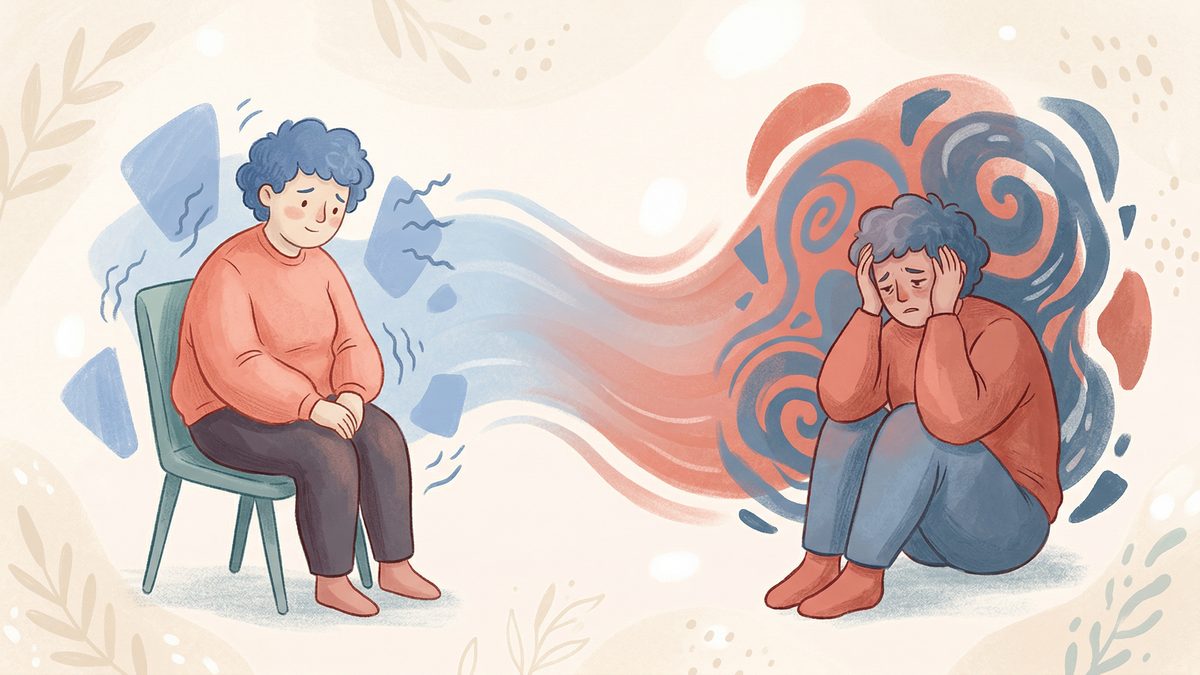
If you experience mood changes, irritability, bloating, or fatigue in the week or two before your period, you're not alone. Premenstrual symptoms are extraordinarily common. But there's an important spectrum here, and two terms — PMS and PMDD — that are frequently confused or conflated, when they represent meaningfully different experiences.
Understanding the distinction matters not just clinically, but personally: if your premenstrual symptoms are disrupting your work, relationships, and daily life, you deserve to know that there's a name for what you're experiencing, that it's not "just bad PMS", and that effective treatments exist.
What Is PMS?
Premenstrual syndrome (PMS) refers to a cluster of physical and emotional symptoms that occur in the luteal phase of the menstrual cycle — typically in the 1–2 weeks before your period — and resolve within a few days of menstruation beginning.
PMS affects an estimated 20–30% of people who menstruate at some point, with varying severity. Most experience it as manageable discomfort that may require some lifestyle adjustments but doesn't fundamentally derail daily functioning.
Common PMS symptoms
Physical:
- Bloating and water retention
- Breast tenderness or swelling
- Headaches
- Fatigue
- Acne breakouts
- Food cravings
- Constipation or diarrhoea
- Muscle aches and joint pain
- Sleep changes (usually hypersomnia)
Emotional and cognitive:
- Mood swings
- Irritability or increased emotional reactivity
- Mild anxiety
- Tearfulness
- Mild depression or low mood
- Difficulty concentrating
- Lower libido
The defining feature of PMS is that symptoms are cyclical (tied to the luteal phase), temporary (resolving with menstruation), and not severe enough to significantly disrupt daily functioning.
What Is PMDD?
Premenstrual dysphoric disorder (PMDD) is a significantly more severe condition, classified as a depressive disorder in the DSM-5 (the diagnostic manual used by mental health professionals). The American Psychiatric Association describes PMDD as requiring "significant distress or interference with work, school, social activities, or relationships."
PMDD affects approximately 2–5% of people who menstruate globally — a relatively small proportion, but one representing tens of millions of people worldwide. It's not a personality trait or an inability to cope; it's a recognised medical condition involving a heightened neurobiological sensitivity to the normal hormonal fluctuations of the menstrual cycle.
How PMDD differs from PMS
The key distinction is severity and functional impact. Where PMS is an inconvenience, PMDD can be debilitating. PMDD symptoms cluster primarily around mood and psychological functioning, often including:
- Severe mood swings — rapid, intense shifts from sadness to anger to anxiety
- Intense irritability or anger that may feel out of proportion and damage relationships
- Profound hopelessness or depressed mood, sometimes with self-critical thoughts
- Marked anxiety or tension — feeling on edge or overwhelmed
- Difficulty concentrating severely enough to affect work or study
- Extreme fatigue or low energy
- Withdrawal from social activities and loss of interest in usual pleasures
- Feeling out of control
- Physical symptoms similar to PMS (bloating, breast tenderness, etc.) but alongside the above
Crucially, the symptoms of PMDD are severe enough that the person themselves recognises the disruption they cause. Partners, friends, and colleagues may also notice a dramatic cyclical change in the person's functioning.
Key Statistical Differences
| Feature | PMS | PMDD |
|---|---|---|
| Prevalence | 20–30% | 2–5% |
| Primary symptoms | Physical + mild emotional | Predominantly severe mood/psychological |
| Daily function | Manageable | Significantly disrupted |
| DSM-5 classification | Not classified | Depressive disorder |
| Treatment needed | Lifestyle + self-care | Often requires medical treatment |
What Causes PMDD?
Research suggests PMDD is not caused by abnormal hormone levels — people with PMDD typically have normal estrogen and progesterone levels. Rather, the condition appears to involve an abnormal sensitivity of brain chemistry to normal hormonal fluctuations, particularly the shift in progesterone metabolites that affect the GABA-A receptor system in the brain.
Genetic factors appear to play a role, as does a history of mood disorders, trauma, or anxiety. It's also worth noting that PMDD can co-exist with depression, anxiety disorders, ADHD, and other conditions — each potentially worsening the other.
Diagnosing PMDD
There's no single test for PMDD. Diagnosis is made clinically, based on the pattern of symptoms. According to the DSM-5, a diagnosis requires:
- At least 5 of the listed symptoms to be present in the week before menstruation, including at least one core mood symptom
- Symptoms must resolve within a few days of menstruation
- Symptoms must have been present in most menstrual cycles in the preceding year
- Symptoms must cause significant distress or functional impairment
- Symptoms are not better explained by another disorder or medication
The gold standard for diagnosis is prospective daily symptom charting for at least two cycles — recording symptoms day by day to confirm the luteal pattern and symptom-free interval after menstruation. The MGH Center for Women's Mental Health notes that this prospective approach distinguishes PMDD from underlying mood disorders, which are persistent rather than cyclical.
This is where Your Rhythm becomes genuinely valuable: the daily mood and symptom logging feature generates exactly the kind of prospective data that clinicians need to confirm a PMDD diagnosis. Bringing 2–3 months of this data to a medical appointment can significantly accelerate diagnosis.
Treatment Options for PMDD
Unlike PMS, PMDD typically requires medical intervention beyond lifestyle adjustments alone.
Evidence-based treatments include:
- SSRIs (selective serotonin reuptake inhibitors): First-line pharmacological treatment. Unlike standard antidepressant use, SSRIs for PMDD can be taken continuously or only during the luteal phase, with both approaches showing efficacy. Fluoxetine, sertraline, and paroxetine have the strongest evidence base.
- Hormonal therapies: Some oral contraceptives (particularly those containing drospirenone) can suppress the hormonal fluctuations that trigger PMDD. GnRH agonists that temporarily suppress ovarian function are effective but have significant side effects.
- Dietary supplements: Calcium (1200mg/day) has strong evidence for reducing PMDD symptoms. Magnesium, vitamin B6, and agnus castus (chasteberry) have more modest evidence but may provide benefit.
- Cognitive behavioural therapy (CBT): Has evidence for reducing PMDD symptom severity and improving coping. Particularly useful for managing the anxiety and relationship difficulties associated with the condition.
- Lifestyle interventions: Regular aerobic exercise, stress reduction practices (mindfulness, yoga), limiting alcohol and caffeine in the luteal phase, and good sleep hygiene all contribute to reduced symptom severity as adjuncts to treatment.
When to Seek Help
If your premenstrual symptoms are:
- Causing you significant distress
- Disrupting your work, relationships, or daily functioning
- Leading to thoughts of self-harm
- Occurring predictably every cycle despite lifestyle changes
...then please speak to a doctor or mental health professional. You deserve a proper evaluation, not normalisation of suffering.
Bring your cycle tracking data — your Your Rhythm symptom log is ideal for this. And know that you're not "too sensitive" or "overreacting" — PMDD is a real, diagnosable, and treatable condition.
Coba Your Rhythm Gratis
Lacak siklusmu, catat suasana hatimu, dan dapatkan wawasan terpersonalisasi. Tersedia di iOS dan Android.
Artikel Terkait
12 Perimenopause Symptoms You Shouldn’t Ignore (Plus Relief Tips for 2026)
Hot flashes aren’t the only sign. Here are 12 common perimenopause symptoms, why they happen, what you can do today, and when it’s time to talk to a clinician.
Baca artikel12 Ovulation Symptoms: The Most Common Signs You’re Fertile in 2026
Wondering if you’re ovulating? Learn the 12 most common ovulation symptoms, what’s normal vs. a red flag, and how to confirm your fertile window with simple at-home steps.
Baca artikel