Luteal Phase Insomnia: Why You Can’t Sleep Before Your Period (and What Helps)
This content is provided for informational purposes only and does not constitute medical advice. It is not intended to diagnose, treat, cure, or prevent any condition. Always consult a qualified healthcare professional regarding any medical concerns or changes to your health.
Luteal Phase Insomnia: Why You Can’t Sleep Before Your Period (and What Helps)
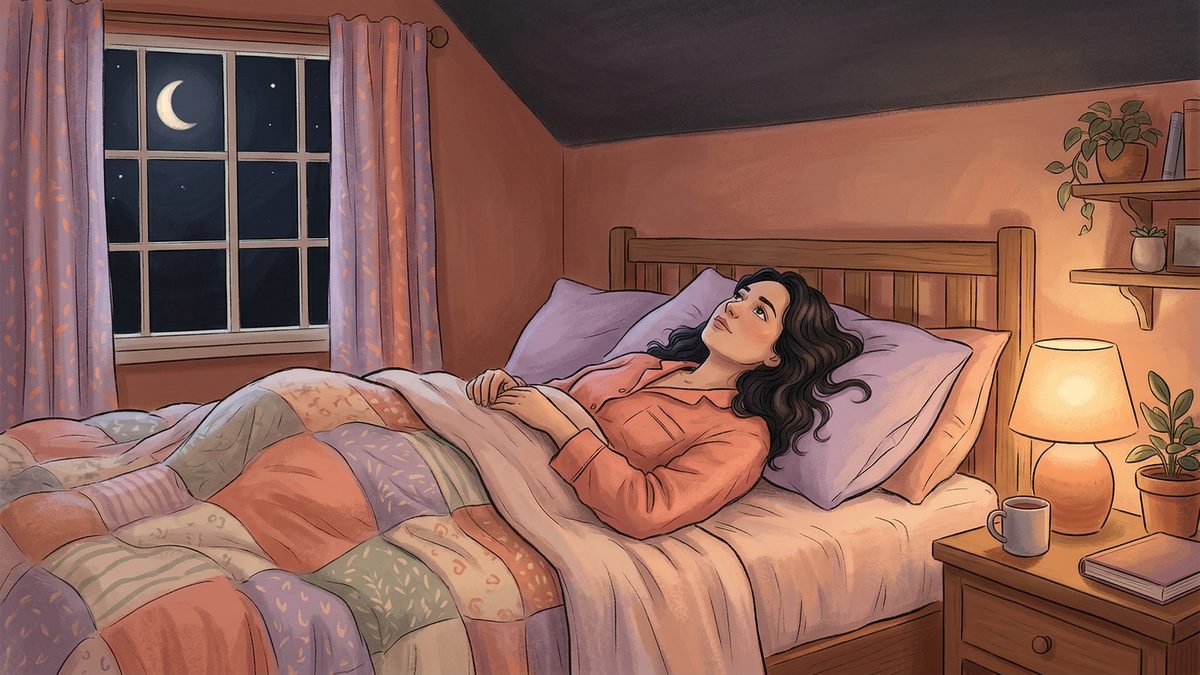
If you sleep great most of the month but suddenly can’t fall asleep (or you wake up at 2–4 a.m.) in the week before your period, you’re not imagining it. Many people notice a very specific pattern: sleep gets lighter, night sweats show up, dreams get intense, and even small stressors feel louder right before menstruation.
This is often called luteal phase insomnia—sleep disruption that happens in the luteal phase, the second half of the menstrual cycle after ovulation. The good news: once you understand the “why,” you can build a plan that actually fits your biology.
In this guide you’ll learn what causes luteal phase insomnia, how to tell if it’s cycle-related, and what to do—tonight and long-term.
What is the luteal phase (and when does it happen)?
Your cycle has two broad halves:
- Follicular phase: from day 1 of bleeding until ovulation
- Luteal phase: from ovulation until your next period
For a complete overview of all four phases and what's happening hormonally in each, see Understanding the 4 Phases of Your Menstrual Cycle.
In a 28-day cycle, the luteal phase is often days 15–28, but your personal timing might vary.
The luteal phase is dominated by progesterone, with estrogen rising and falling in a smaller wave. If pregnancy doesn’t occur, both hormones drop sharply in the days right before your period—exactly when many people feel PMS symptoms and sleep changes.
Why you can’t sleep before your period: the main causes
Luteal phase insomnia usually isn’t caused by one single factor. It’s a “stack” of hormonal, temperature, mood, and lifestyle changes that converge at once.
1) Progesterone changes can affect calm, relaxation, and sleep depth
Progesterone is sometimes called a “calming” hormone because it can influence brain pathways involved in relaxation. After ovulation, progesterone rises; then in the late luteal phase it drops quickly.
For some people, that drop is associated with:
- Trouble falling asleep
- More nighttime awakenings
- A feeling of being “wired but tired”
If you already have anxiety, a stressful week, or irregular ovulation, that late-luteal drop can feel more intense.
2) Your core body temperature rises after ovulation
After ovulation, basal body temperature (BBT) usually increases slightly. Even a small temperature shift can matter—sleep tends to be deeper when the body cools down at night.
If you notice:
- Night sweats
- Feeling hot at bedtime
- Waking up overheated
…it may be that your luteal-phase temperature curve is making it harder to stay asleep.
3) Blood sugar swings and late-day cravings can wake you up
Many people experience stronger cravings in the luteal phase. Some of that is normal—your body may use slightly more energy in the premenstrual window.
But when dinner is light, alcohol is higher, or the day is long, nighttime can bring:
- A 2–3 a.m. wake-up
- Racing thoughts
- Hunger or shakiness
That pattern often points to a blood sugar dip or stress-hormone spike overnight.
4) PMS/PMDD mood symptoms can amplify insomnia
Irritability, rumination, sadness, and anxiety can peak in the late luteal phase for some people. If you have PMDD (premenstrual dysphoric disorder) or significant PMS, sleep can be one of the first systems to wobble.
Sleep loss then worsens mood the next day, creating a loop.
5) Common contributors: caffeine timing, alcohol, and late intense workouts
Even if hormones are the “background,” the following often determine whether luteal phase sleep disruption becomes a full insomnia episode:
- Caffeine after late morning/early afternoon
- Alcohol (especially within 3–4 hours of sleep)
- High-intensity training late in the day
- Scrolling/blue light + stress right before bed
Cycle-aware tweaks here can have an outsized payoff.
How to know if it’s luteal phase insomnia (vs. something else)
Cycle-related insomnia tends to have a predictable pattern.
You might be dealing with luteal phase insomnia if:
- Sleep worsens after ovulation and improves once bleeding starts
- It happens most cycles (even if not every month)
- Symptoms cluster with PMS signs (bloating, breast tenderness, cravings, mood shifts)
- You wake at similar times (often 2–4 a.m.)
On the other hand, consider other causes if sleep problems are constant all month, started suddenly without a cycle pattern, or come with symptoms like loud snoring, choking/gasping, or severe daytime sleepiness.
What to do tonight: a luteal-phase sleep rescue plan
If your period is due soon and sleep is already off, focus on interventions that calm the nervous system and help your body cool down.
1) Keep the room cooler than usual
Because temperature tends to run higher after ovulation, you may benefit from:
- Lower thermostat or fan
- Breathable bedding
- A cool shower 60–90 minutes before bed
A simple rule: if you wake up hot, address temperature first before assuming it’s “just anxiety.”
2) Add a balanced bedtime snack (if you wake hungry)
If you wake up hungry or jittery, experiment with a small snack that combines carbs + protein/fat. Our phase-by-phase nutrition guide covers the specific foods that stabilise blood sugar and support sleep quality in the luteal phase., such as:
- Greek yogurt + berries
- Banana + nut butter
- Crackers + cheese
This isn’t about eating more—it’s about keeping blood sugar steadier overnight.
3) Try a “middle-of-the-night script” for 3 a.m. wake-ups
When you wake up, your brain often tries to solve everything at once. Prepare a simple plan:
- No phone
- Dim light only
- A short breathing pattern (for example, longer exhale than inhale)
- If you’re awake more than ~20 minutes, get up briefly and do something boring in low light (read a paper book, fold laundry)
The goal is to reduce the association between bed and alertness.
4) Move your hard workout earlier (or swap it)
If you notice luteal-phase insomnia, consider shifting intense training earlier in the day. Our guide on how to adapt your workouts to your cycle explains why — and what to substitute in the evenings. and using evenings for:
- Easy cardio
- Mobility
- Yoga
- A walk after dinner
Many athletes report better recovery and sleep when they “tread lighter” in the luteal phase.
What to do long-term: cycle-aware habits that reduce luteal insomnia
Track ovulation (not just period dates)
Late-luteal symptoms make more sense when you know where ovulation falls. Track using:
- Cervical mucus changes
- Ovulation tests
- BBT trends
In Your Rhythm, try logging sleep quality alongside your cycle so you can see whether insomnia clusters in specific days after ovulation. New to tracking? Our beginner's guide to cycle tracking will get you set up quickly. Patterns turn vague frustration into actionable timing.
Build a luteal-phase evening routine (15–30 minutes)
Consistency beats intensity. A realistic routine might include:
- Screens off (or dimmed) 30 minutes before bed
- 5 minutes of gentle stretching
- Quick brain dump (write tomorrow’s worries on paper)
- A warm drink without caffeine
Do it most nights in the late luteal phase—not just when things are already bad.
Adjust caffeine and alcohol with your cycle
Try this experiment for two cycles:
- Cap caffeine earlier (late morning to early afternoon)
- Skip alcohol in the 3–5 days before your period
If your sleep improves, you’ve learned something powerful: you’re not “too sensitive”—your physiology is simply in a different state.
Eat earlier and include enough dinner
A very light dinner can backfire in the late luteal phase. Aim for:
- Protein (to support satiety)
- Complex carbs (to support serotonin and steady energy)
- Colorful plants (micronutrients)
If you’re tracking symptoms, note whether nights with higher-fiber carbs (like oats, quinoa, beans, or sweet potatoes) correlate with fewer 3 a.m. wake-ups.
Manage stress in the late luteal phase (because your stress buffer is smaller)
Many people feel less resilient right before a period. That’s not a character flaw. It can be a real shift in sensitivity.
Support your stress buffer with:
- Short walks
- Delegating or lowering expectations in the last 3–5 days — cycle syncing your work schedule gives a full framework for protecting this phase
- Brief mindfulness (even 2 minutes)
- Earlier bedtime window
If you use Your Rhythm to track mood, you can also identify whether insomnia is preceded by a specific mood pattern (for example, irritability spikes two days before sleep disruptions). That makes prevention easier. For a deeper understanding of how your hormonal cycle drives mood and energy changes, our dedicated guide explains the science behind these patterns.
When to talk to a clinician
Consider medical support if:
- Insomnia is severe (multiple nights per week) or affecting safety
- PMS symptoms are intense or suggest PMDD
- Period cramps are severe enough to disrupt sleep, or pain is escalating cycle to cycle
- Cycles are very irregular or you suspect you’re not ovulating regularly
- You have signs of another sleep disorder (snoring, gasping, severe daytime sleepiness)
A clinician can help rule out thyroid issues, anemia, perimenopause changes, medication effects, and other contributors.
Frequently asked questions
Is luteal phase insomnia normal?
It’s common. Many people notice sleep changes after ovulation and especially in the days before bleeding. “Common” doesn’t mean you have to suffer—tracking and a few targeted adjustments often help.
Can birth control cause insomnia before my period?
Hormonal contraception can change your hormone patterns and sleep in either direction. Some people sleep better; others notice changes around withdrawal bleeding or pill-free days. If your insomnia pattern maps to your contraception schedule, track it and discuss options with a clinician.
Why do I wake up at 3 a.m. before my period?
That timing is often linked to a combination of higher body temperature, stress-hormone shifts, and blood sugar dynamics. If it happens repeatedly in the late luteal phase, treat it as data—not as personal failure.
A simple 2-cycle experiment (so you know what actually works)
Pick just three changes for your next two cycles:
- Cooler bedroom setup in the late luteal phase
- Earlier caffeine cutoff
- Balanced dinner + optional bedtime snack
Log sleep quality and wake-ups in Your Rhythm, along with your cycle days. After two cycles, you’ll have enough information to personalize your plan instead of guessing.
Quick recap
- Luteal phase insomnia often happens because progesterone shifts, body temperature rises, and stress/blood sugar dynamics change after ovulation.
- The most effective strategies are usually cooling, steady evening nutrition, earlier caffeine/alcohol adjustments, and a simple wind-down routine.
- Tracking sleep with your cycle (not separately) helps you prevent the pattern next month.
CTA
If you want to spot your personal insomnia pattern and get ahead of it, start logging sleep, mood, and symptoms in Your Rhythm for the next two cycles. You’ll quickly see which days are most sensitive—and which small changes make the biggest difference.
Your Rhythm मुफ़्त आज़माएं
अपने चक्र को ट्रैक करें, मूड लॉग करें, और व्यक्तिगत इनसाइट्स पाएं। iOS और Android पर उपलब्ध।
संबंधित लेख
12 Perimenopause Symptoms You Shouldn’t Ignore (Plus Relief Tips for 2026)
Hot flashes aren’t the only sign. Here are 12 common perimenopause symptoms, why they happen, what you can do today, and when it’s time to talk to a clinician.
लेख पढ़ें12 Ovulation Symptoms: The Most Common Signs You’re Fertile in 2026
Wondering if you’re ovulating? Learn the 12 most common ovulation symptoms, what’s normal vs. a red flag, and how to confirm your fertile window with simple at-home steps.
लेख पढ़ें